
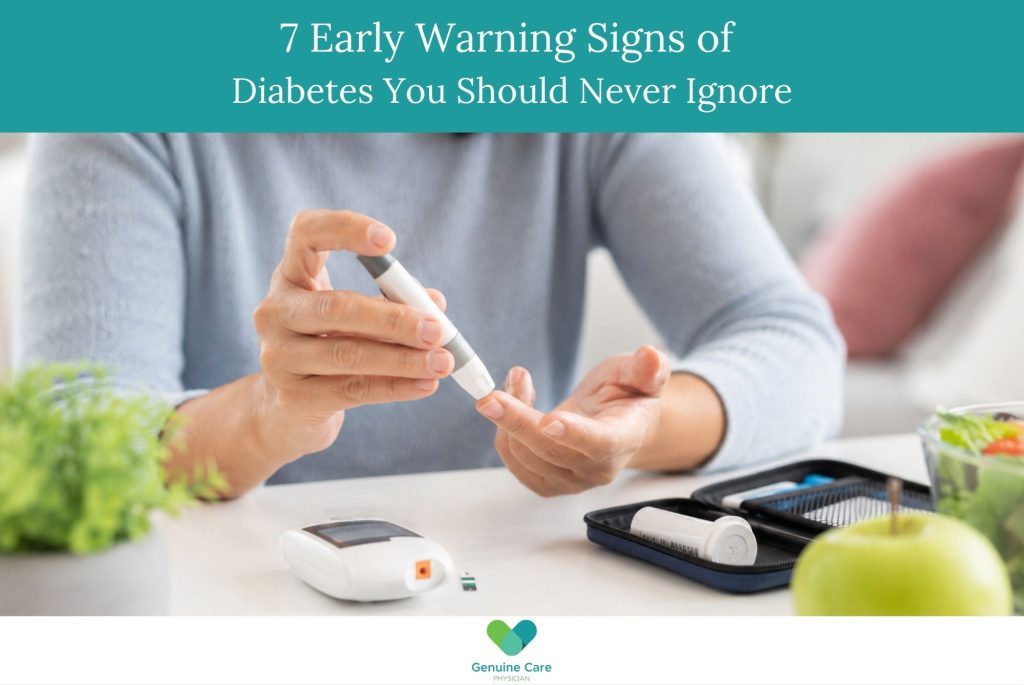
Diabetes is one of the fastest-growing chronic health conditions in the United States, affecting millions of adults each year. While diabetes can develop gradually, recognizing the early warning signs can lead to earlier diagnosis, better treatment outcomes, and a healthier future. Many people ignore subtle symptoms until complications arise, making routine medical care essential.
At Genuine Care Physician, we are committed to helping patients throughout Forest Hills, NY, identify health concerns early through comprehensive preventive care, screenings, and personalized treatment plans. If you’re experiencing any of the symptoms below, scheduling an evaluation with an experienced primary care physician can make all the difference.
What Is Diabetes?
Diabetes is a chronic condition that affects how your body processes blood sugar (glucose). Glucose serves as your body’s primary energy source, but without enough insulin—or when your body cannot properly use insulin—blood sugar levels become dangerously elevated.
The three primary types of diabetes include:
- Type 1 Diabetes: An autoimmune condition where the body produces little or no insulin.
- Type 2 Diabetes: The most common form, caused by insulin resistance and often associated with lifestyle and genetic factors.
- Prediabetes: Blood sugar levels are higher than normal but not yet high enough for a Type 2 diabetes diagnosis.
Early detection is key because untreated diabetes can lead to serious complications involving the heart, kidneys, eyes, nerves, and blood vessels.
1. Frequent Urination
One of the earliest warning signs of diabetes is needing to urinate more often than usual, especially during the night.
High blood sugar forces your kidneys to work overtime to remove excess glucose from your bloodstream. This process increases urine production, causing frequent trips to the bathroom.
If you’ve noticed a sudden increase in urination without another explanation, it’s important to discuss this symptom with your healthcare provider.
2. Excessive Thirst
Frequent urination often leads to dehydration, making you feel unusually thirsty throughout the day.
Many individuals find themselves drinking significantly more water but still feeling dehydrated. Persistent thirst that doesn’t improve with hydration may indicate elevated blood sugar levels.
3. Constant Fatigue
Feeling tired after a long day is normal—but ongoing fatigue that doesn’t improve with rest may be an early indicator of diabetes.
When your body cannot effectively move glucose into your cells for energy, your muscles and organs are essentially “running on empty.” This lack of usable energy can result in:
- Low energy
- Difficulty concentrating
- Daytime sleepiness
- Reduced productivity
Persistent fatigue deserves a medical evaluation.
4. Blurred Vision
High blood sugar can temporarily affect the lenses of your eyes, causing blurry vision.
Although vision changes may come and go, repeated episodes should never be ignored. Over time, uncontrolled diabetes can permanently damage the retina and significantly increase the risk of diabetic retinopathy, one of the leading causes of blindness.
Routine eye exams and proper diabetes management can help protect your vision.
5. Slow-Healing Cuts and Wounds
Diabetes affects circulation and immune function, making it harder for your body to heal.
Small cuts, scrapes, or bruises that seem to linger longer than expected could indicate elevated blood sugar levels.
Poor wound healing is especially concerning because it increases the risk of infection, particularly in the feet and lower legs.
6. Tingling or Numbness in Hands and Feet
Persistently high blood sugar can damage nerves over time, resulting in diabetic neuropathy.
Early symptoms often include:
- Tingling sensations
- Burning pain
- Numbness
- Pins-and-needles feelings
- Reduced sensation in the hands or feet
Addressing diabetes early may help prevent permanent nerve damage.
7. Unexplained Weight Loss or Increased Hunger
Some individuals lose weight unexpectedly despite eating normally—or even more than usual.
Because the body cannot efficiently use glucose for energy, it begins breaking down fat and muscle instead. At the same time, cells become starved for energy, increasing hunger.
Unexpected weight loss should always be evaluated by a healthcare professional.
Who Is at Higher Risk for Diabetes?
Although diabetes can affect anyone, certain risk factors increase your chances of developing the disease.
Risk factors include:
- Family history of diabetes
- Being overweight or obese
- Age over 45
- High blood pressure
- High cholesterol
- Sedentary lifestyle
- History of gestational diabetes
- Polycystic ovary syndrome (PCOS)
- Smoking
If you have one or more risk factors, regular diabetes screenings are highly recommended.
How Diabetes Is Diagnosed
Your physician may recommend several simple blood tests, including:
- A1C Test
- Fasting Blood Glucose Test
- Oral Glucose Tolerance Test
- Random Blood Sugar Test
These tests provide valuable information about your blood sugar levels and help determine whether you have diabetes or prediabetes.
Can Diabetes Be Prevented?
While Type 1 diabetes cannot currently be prevented, many cases of Type 2 diabetes can be delayed or prevented through healthy lifestyle choices.
Helpful strategies include:
- Maintaining a healthy weight
- Eating a balanced diet rich in vegetables, lean proteins, and whole grains
- Exercising regularly
- Limiting sugary beverages
- Managing stress
- Getting quality sleep
- Scheduling routine wellness visits
Your primary care physician can develop a personalized prevention plan based on your health history.
Why Early Diagnosis Matters
Ignoring early diabetes symptoms can lead to serious complications such as:
- Heart disease
- Stroke
- Kidney disease
- Vision loss
- Nerve damage
- Foot ulcers
- Increased infection risk
Fortunately, early diagnosis allows many patients to successfully manage diabetes through lifestyle changes, medication, and ongoing medical care.
Partner with Genuine Care Physician for Comprehensive Diabetes Care
At Genuine Care Physician, we believe prevention is the cornerstone of long-term health. Our experienced primary care team provides comprehensive health evaluations, diabetes screenings, chronic disease management, and personalized treatment plans designed to help you live your healthiest life.
If you’ve noticed any early warning signs of diabetes, don’t wait. Early detection can help prevent complications and improve your overall quality of life.
We proudly serve patients throughout Forest Hills, NY, with compassionate, patient-centered medical care.
Frequently Asked Questions (Q&A)
What are the first signs of diabetes?
Common early symptoms include frequent urination, excessive thirst, fatigue, blurred vision, slow-healing wounds, numbness or tingling in the hands and feet, and unexplained weight loss.
Can diabetes develop without symptoms?
Yes. Many people, especially those with prediabetes or early Type 2 diabetes, experience few or no noticeable symptoms. Regular health screenings are essential.
Should I get tested if diabetes runs in my family?
Absolutely. A family history significantly increases your risk, making routine blood sugar screenings especially important.
Can Type 2 diabetes be reversed?
Some individuals with Type 2 diabetes can achieve remission through significant lifestyle changes, weight loss, and proper medical management. However, ongoing monitoring remains important.
How often should adults be screened for diabetes?
Adults over 45—or younger individuals with risk factors such as obesity or family history—should discuss routine diabetes screening with their physician.
What foods help lower blood sugar?
A balanced diet emphasizing vegetables, whole grains, lean proteins, legumes, healthy fats, and high-fiber foods can support healthy blood sugar levels. Your physician may also recommend meeting with a registered dietitian.
Is diabetes curable?
Currently, there is no cure for diabetes. However, it can often be effectively managed through medication, healthy lifestyle habits, and regular medical care.
Contact Genuine Care Physician
Genuine Care Physician
102-55 63rd Road
Forest Hills, NY 11375
Phone: (516) 262-3612
Website: genuinecarephysician.com