
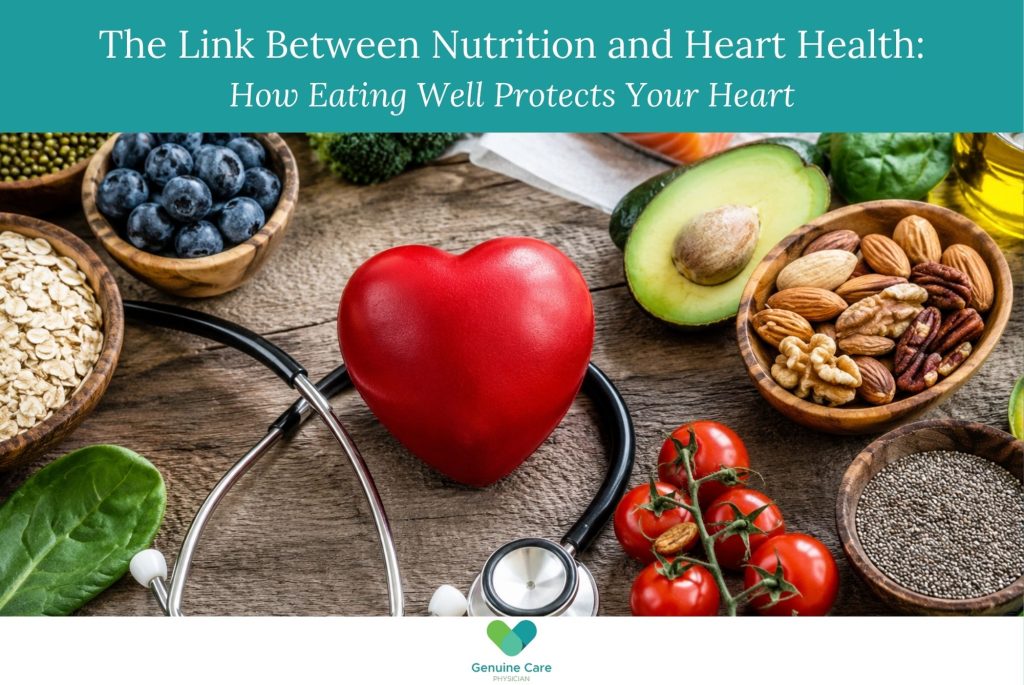
Heart disease remains one of the leading causes of death in the United States, but many people don’t realize that one of the most powerful tools for protecting their heart is found on their dinner plate. The foods you eat every day have a direct impact on your blood pressure, cholesterol levels, blood sugar, inflammation, and overall cardiovascular health.
At Genuine Care Physician, we believe that preventive healthcare begins with education and healthy lifestyle choices. By making smart nutritional decisions today, you can significantly reduce your risk of heart disease while improving your overall quality of life.
Why Nutrition Matters for Heart Health
Your heart works around the clock to pump oxygen-rich blood throughout your body. Like any hardworking organ, it performs best when fueled with the proper nutrients.
A heart-healthy diet can help:
- Lower LDL (“bad”) cholesterol
- Raise HDL (“good”) cholesterol
- Reduce high blood pressure
- Maintain a healthy body weight
- Control blood sugar levels
- Reduce chronic inflammation
- Lower the risk of heart attack and stroke
Even small improvements in your daily eating habits can lead to long-term cardiovascular benefits.
Essential Nutrients for a Healthy Heart
1. Fiber
Dietary fiber helps remove excess cholesterol from the bloodstream and promotes healthy digestion.
Excellent sources include:
- Oatmeal
- Whole grains
- Beans
- Lentils
- Apples
- Pears
- Berries
- Vegetables
Aim for 25–38 grams of fiber per day depending on age and gender.
2. Healthy Fats
Not all fats are unhealthy. Unsaturated fats support cardiovascular health by lowering harmful cholesterol levels.
Choose foods like:
- Avocados
- Olive oil
- Nuts
- Seeds
- Salmon
- Sardines
- Trout
Limit saturated fats found in:
- Fatty red meats
- Butter
- Full-fat dairy
- Fried foods
Avoid trans fats whenever possible.
3. Omega-3 Fatty Acids
Omega-3 fatty acids reduce inflammation and may lower triglycerides while supporting healthy heart rhythms.
Good sources include:
- Salmon
- Mackerel
- Tuna
- Walnuts
- Chia seeds
- Flaxseeds
Many healthcare providers recommend eating fatty fish at least twice per week.
4. Potassium
Potassium helps regulate blood pressure by balancing sodium levels.
Foods rich in potassium include:
- Bananas
- Sweet potatoes
- Spinach
- Tomatoes
- Beans
- Yogurt
- Oranges
5. Magnesium
Magnesium supports normal heart rhythm and healthy blood pressure.
Foods high in magnesium include:
- Almonds
- Pumpkin seeds
- Spinach
- Black beans
- Brown rice
Foods That Promote Heart Health
Building meals around nutrient-dense foods is one of the best ways to protect your heart.
Fruits and Vegetables
Rich in antioxidants, vitamins, minerals, and fiber, fruits and vegetables help reduce inflammation and support healthy blood vessels.
Aim for at least five servings daily.
Whole Grains
Whole grains provide fiber and nutrients while helping regulate blood sugar and cholesterol.
Healthy choices include:
- Brown rice
- Quinoa
- Oats
- Whole wheat bread
- Barley
Lean Proteins
Choose healthier protein sources such as:
- Skinless poultry
- Fish
- Beans
- Lentils
- Tofu
Limit processed meats like bacon, sausage, and deli meats.
Low-Fat Dairy
Select low-fat or fat-free dairy products to reduce saturated fat intake while maintaining calcium and vitamin D levels.
Foods That Can Harm Your Heart
Certain dietary habits increase the risk of cardiovascular disease.
Try to limit:
Excess Sodium
Too much sodium contributes to high blood pressure.
Avoid excessive amounts of:
- Processed foods
- Canned soups
- Fast food
- Frozen meals
- Salty snacks
Aim for less than 2,300 mg of sodium per day, or even less if recommended by your healthcare provider.
Added Sugars
Sugary beverages and desserts contribute to obesity, diabetes, and heart disease.
Reduce intake of:
- Soda
- Candy
- Pastries
- Sweetened coffee drinks
- Energy drinks
Highly Processed Foods
Highly processed foods often contain:
- Excess sodium
- Unhealthy fats
- Refined carbohydrates
- Artificial additives
Preparing meals at home allows greater control over ingredients.
The Mediterranean Diet and Heart Health
The Mediterranean diet is consistently ranked among the healthiest eating patterns for cardiovascular wellness.
It emphasizes:
- Fresh vegetables
- Fruits
- Whole grains
- Olive oil
- Fish
- Legumes
- Nuts
- Moderate dairy
- Limited red meat
Research has shown that following this dietary pattern may significantly reduce the risk of heart attack and stroke.
Maintaining a Healthy Weight
Nutrition and weight management go hand in hand.
Carrying excess body weight increases the risk of:
- High blood pressure
- High cholesterol
- Type 2 diabetes
- Heart disease
Healthy eating combined with regular physical activity helps maintain a healthy weight while reducing cardiovascular risk.
Lifestyle Habits That Support Heart Health
Nutrition is only one part of the equation.
Additional healthy habits include:
- Exercising at least 150 minutes per week
- Avoiding tobacco products
- Limiting alcohol
- Managing stress
- Getting 7–9 hours of sleep each night
- Scheduling routine medical checkups
Working with a primary care physician allows for early detection of heart disease risk factors before serious complications develop.
When Should You See a Primary Care Physician?
Regular wellness visits allow your physician to monitor important cardiovascular indicators such as:
- Blood pressure
- Cholesterol
- Blood sugar
- Weight
- Family history
- Lifestyle habits
At Genuine Care Physician, our team focuses on preventive medicine to help patients reduce their risk of chronic diseases through personalized healthcare recommendations.
Whether you’re looking to improve your diet, manage hypertension, control diabetes, or reduce cholesterol, we’re here to help you develop a realistic plan for long-term heart health.
Frequently Asked Questions (Q&A)
Can changing my diet really lower my risk of heart disease?
Yes. A balanced diet rich in fruits, vegetables, whole grains, healthy fats, and lean proteins has been shown to reduce many major risk factors for heart disease, including high cholesterol and high blood pressure.
What foods are best for lowering cholesterol?
Foods rich in soluble fiber, such as oats, beans, lentils, apples, and flaxseeds, can help lower LDL cholesterol. Healthy fats from fish, olive oil, and nuts also support healthier cholesterol levels.
Is salt really that harmful?
Excess sodium can contribute to high blood pressure, which is a major risk factor for heart disease and stroke. Reading nutrition labels and choosing fresh foods can help reduce sodium intake.
Are eggs bad for heart health?
For most healthy individuals, eggs can be part of a balanced diet when consumed in moderation. Overall dietary patterns are generally more important than any single food.
How often should I eat fish?
Most health organizations recommend eating fatty fish such as salmon, trout, or sardines at least twice per week to obtain heart-healthy omega-3 fatty acids.
Can exercise make up for a poor diet?
Exercise is extremely beneficial, but it cannot completely offset the effects of an unhealthy diet. The best results come from combining regular physical activity with nutritious eating habits.
Should I take heart supplements?
Many people can obtain the nutrients they need through a balanced diet. Supplements should only be taken after discussing your individual health needs with your healthcare provider.
How often should I have my heart health checked?
Adults should have regular wellness visits with their primary care physician. Depending on your age and medical history, your provider may recommend periodic blood pressure, cholesterol, diabetes, and cardiovascular screenings.
Partner with Genuine Care Physician for Better Heart Health
Protecting your heart begins with the choices you make every day. Eating a nutrient-rich diet, staying active, and scheduling routine preventive care can significantly reduce your risk of heart disease.
At Genuine Care Physician, we’re committed to helping patients achieve lifelong wellness through personalized primary care and preventive medicine. Whether you’re managing an existing condition or looking to improve your overall health, our experienced team is here to support you every step of the way.
Contact Genuine Care Physician
Genuine Care Physician
102-55 63rd Road
Forest Hills, NY 11375
Phone: (516) 262-3612
Website: https://genuinecarephysician.com/